For Canadians who spend several months of winter in the southern United States, the annual vehicle question is a recurring fixture of the planning process. Drive it down or ship it. And if you ship it, when do you book, what does it cost, and how do you time everything so the car arrives when you do?
These are practical questions with practical answers. The challenge is that most snowbirds figure it out through trial and error over several seasons rather than getting the full picture upfront. This is an attempt to lay that picture out clearly.
Why Many Snowbirds Choose to Ship

Source: snowbirdadvisor.ca
The drive from most Canadian cities to the Sun Belt states is substantial. Toronto to Fort Lauderdale is roughly 2,400 kilometres. Calgary to Phoenix is around 2,700. For retirees or anyone who finds long highway drives physically demanding, that trip is not a pleasure outing. It is a toll on the body, the vehicle, and the schedule.
Shipping removes the drive entirely. You fly down, the car meets you there, and you begin your stay with energy rather than recovering from two or three days behind the wheel.
At the end of the season, the same logic applies in reverse.
There is also a wear argument. Adding 5,000 or more kilometres to a vehicle twice a year compounds over time, particularly for snowbirds who make this trip for a decade or more.
The cumulative mileage difference between driving and shipping over ten seasons is significant from both a maintenance and resale perspective.
The Cross-Border Dimension
Shipping a vehicle between Canada and the United States involves customs on both sides of the border. For a temporary stay rather than a permanent import, the process is considerably simpler than many people expect — but it still requires documentation that needs to be prepared in advance.
At the US border, Canadian-registered vehicles entering temporarily are generally admitted under a TIB (Temporary Importation Bond) or similar arrangement that permits the vehicle to remain in the US for the duration of the owner’s authorized stay.
The carrier handles the actual border crossing, but the vehicle owner needs to ensure their registration and identification documents are in order and that the vehicle’s details are accurately reflected in the shipping paperwork.
Return entry into Canada at the end of the season follows a parallel process. The vehicle re-enters under the owner’s personal exemptions and does not typically trigger duty, provided it has not been modified and is the same vehicle that departed.
Cross border car shipping documentation requirements are specific enough that reviewing them with your carrier before the first shipment is time well spent.
When to Book and Why It Matters
Source: shiplux.com
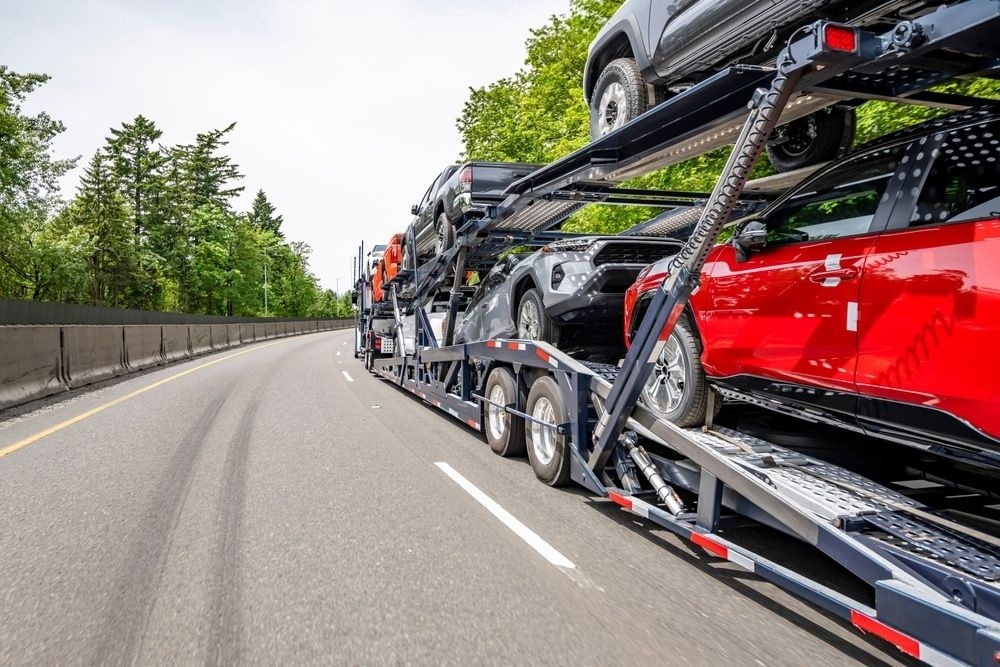
The snowbird season creates a predictable surge in demand for southbound carrier capacity between October and December. Canadians from Ontario, Quebec, Alberta, and British Columbia are all targeting similar departure windows, and carrier availability on the most popular routes tightens accordingly.
Booking four to six weeks ahead of your intended pickup date is the safest approach during this window. Leaving it to the last two weeks before departure limits your carrier options and increases the likelihood of schedule conflicts that push your pickup date back further than you wanted.
The return surge in March and April follows the same pattern. Many snowbirds who plan their southbound shipment months in advance leave the northbound booking until they are already in Florida or Arizona and suddenly realize they need to arrange it. Booking both legs before you depart — or at minimum within the first few weeks of your stay — avoids the scramble.
Timing the Arrival at Your Destination
Most snowbirds fly to their US destination and need the car to arrive within a manageable window after they land. Transit times on major snowbird routes typically run seven to twelve days, though this varies by origin, destination, and carrier routing.
The practical approach is to fly down a few days before the vehicle is expected and arrange a short-term rental to bridge the gap. This eliminates the pressure of a precise delivery date and gives you flexibility if the shipment runs a day or two behind the estimated window.
Coordinating with whoever receives the vehicle at the US end is equally important. If you are not yet at the destination when the carrier arrives, a trusted neighbour, property manager, or family member needs to be available to accept delivery and sign the condition report.
Confirm this arrangement in advance and make sure the carrier has their contact information.
Open vs. Enclosed Transport for the Snowbird Route
Source: passporttransport.com
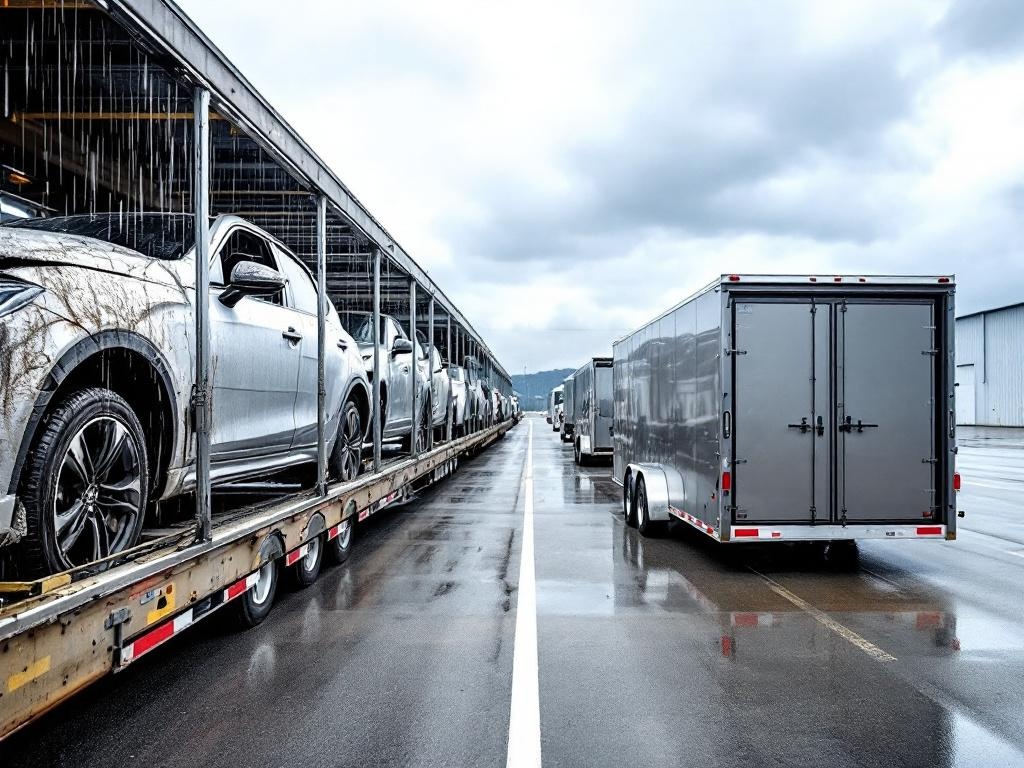
The majority of snowbird vehicle shipments move on open carriers, and for most standard vehicles this is entirely appropriate. Open transport is more widely available on high-volume routes like Toronto to Miami or Calgary to Phoenix, and the added availability means more flexible scheduling during the peak booking window.
Enclosed transport is worth considering for luxury vehicles, classic cars, or any vehicle where paint and body condition is a priority concern. The premium over open carrier rates is more justified on a longer cross-border route where the vehicle spends more time in transit and passes through more varied weather conditions.
For snowbirds shipping the same vehicle season after season, the choice often comes down to what worked last time. Those who have used open transport without incident typically continue with it.
Those who want additional peace of mind on a high-value vehicle tend to stick with enclosed once they have tried it. Snowbird car shipping options cover both service types on most major Canada-to-US corridors.
Insurance During Transit and While in the US
Canadian auto insurance policies vary in how they handle extended stays in the United States. Some policies cover the vehicle for up to six months of US use without modification.
Others require notification or a rider for stays beyond a certain duration. Contact your insurer before your first snowbird season and every renewal after to confirm your coverage terms.
During the shipping transit itself, the carrier’s cargo insurance covers the vehicle. As with any shipment, that coverage has limits and may not reflect the full replacement value of the vehicle. If the gap between carrier liability and your vehicle’s value concerns you, supplemental transit insurance is available from most carriers and brokers at modest cost.
A thorough condition inspection at both pickup and delivery is essential. Document the vehicle’s state with photos before handover in Canada, and inspect it carefully when it arrives in the US.
Any damage that occurred during transit needs to be noted on the delivery report before the driver leaves — claims raised after the carrier has departed are significantly harder to resolve.
Getting the Logistics Right from the First Season
Source: naviautotransport.com
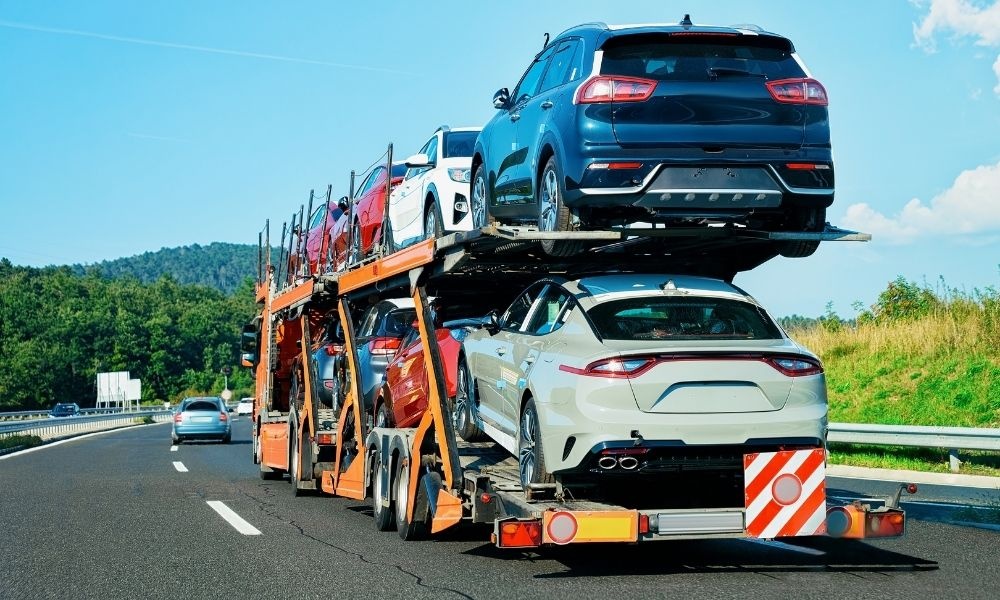
The snowbirds who find the annual vehicle shipment genuinely stress-free are almost always the ones who locked in a reliable process early and repeat it consistently. That means the same booking lead time each year, the same documentation preparation, and ideally a carrier relationship that makes the recurring booking easier over time.
The first season involves the most learning. The paperwork is unfamiliar, the timing feels uncertain, and the cross-border element adds a layer that purely domestic shipments do not have.
By the second or third season, most snowbirds describe the process as routine. Auto transport across the Canada-US corridor is a well-established industry with experienced carriers who handle this specific route type every year. The infrastructure is there — the main job is planning far enough ahead to use it on your terms.
Frequently Asked Questions
Can I leave personal belongings in the car during a snowbird shipment to the US?
Most carriers prohibit personal items in the vehicle during cross-border transport, and customs regulations add another layer of restriction. Ship only the vehicle and keep personal items in your checked luggage or shipped separately through another service.
Do I need a separate US insurance policy while my car is there for the winter?
It depends on your Canadian policy. Many insurers extend coverage to the US for extended stays, but the terms and duration limits vary. Confirm with your insurer before departure and get their position in writing.
What happens if my vehicle is delayed at the border during shipping?
Border delays are uncommon but possible if documentation is incomplete or flagged for additional inspection. Ensuring your carrier has accurate and complete paperwork before the shipment departs is the best way to avoid them.