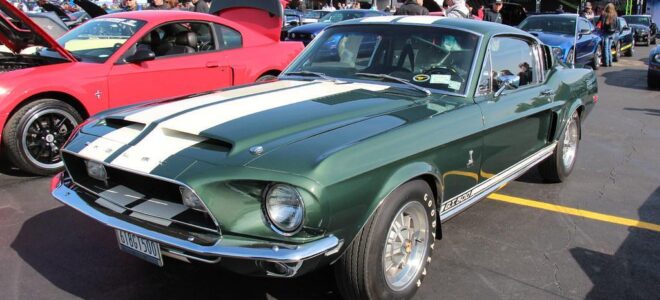
Automotive trends come and go, often shaped by technology, regulation, and shifting consumer preferences. Yet some vehicles remain untouched by these cycles, holding their place through sheer design integrity and driving experience. The 1968 Mustang fastback is one of those rare machines, a car that continues to influence how enthusiasts and engineers think about performance.
What sets it apart is not just its historical significance, but its ability to feel relevant decades later. Even as vehicles become more digitized and automated, the essence of what makes a car engaging can still be traced back to models like this.
The Fastback Formula – Design Meets Purpose
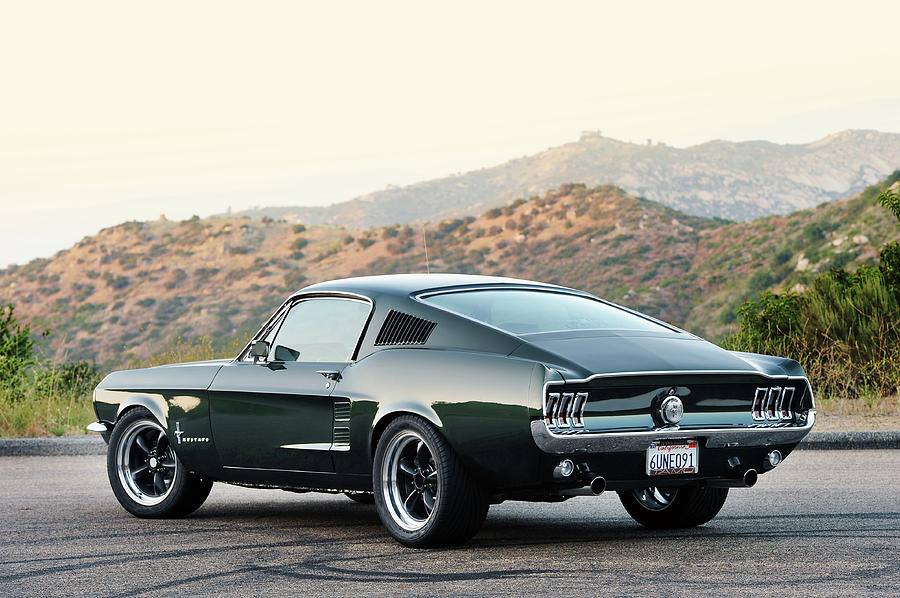
The fastback silhouette was more than a stylistic flourish. Its sloping roofline and streamlined profile contributed to improved aerodynamics while creating a stance that looked aggressive even at a standstill. This combination gave the Mustang a visual identity that was both functional and memorable.
Design decisions during this era were closely tied to performance goals. Every curve and proportion served a purpose, resulting in a vehicle that felt cohesive rather than assembled from competing priorities. This clarity of intent is part of what continues to resonate with modern enthusiasts.
How the Mustang Built Its Enduring Legacy
Source: 2-drew-phillips.pixels.com
A Cultural and Engineering Milestone
The Mustang’s rise wasn’t accidental. It arrived at a time when drivers were looking for something more expressive, something that went beyond basic transportation. The fastback models, in particular, captured this desire by offering both performance and personality.
Over time, the Mustang became more than a car; it evolved into a symbol of American automotive identity. A closer look at how the Mustang’s legacy has evolved reveals how each generation has built upon the original formula without losing its core appeal.
Consistency Through Change
While the Mustang has undergone numerous redesigns, its defining characteristics have remained consistent. Long hoods, rear-wheel drive, and a focus on driver engagement continue to shape its development. This continuity has helped the brand maintain a strong connection with its audience.
Even as performance metrics improve and technology advances, the underlying philosophy remains rooted in the same principles established in the late 1960s.
Revisiting the 1968 Fastback in a Modern Context
Source: revologycars.com
For many enthusiasts, the appeal of the 1968 fastback lies in its raw, mechanical nature. It offers a driving experience that feels direct and unfiltered, something that is increasingly rare in modern vehicles. However, owning an original example often comes with challenges related to maintenance and reliability.
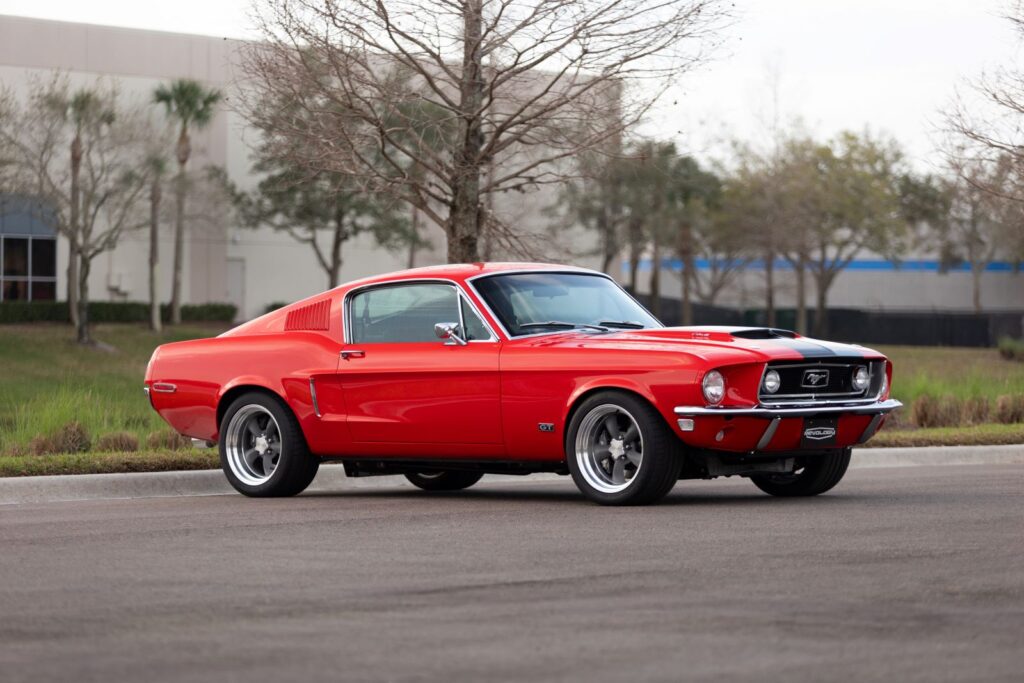
This has led to a growing interest in modern interpretations of classic designs. Drivers who want to experience the original aesthetic without sacrificing usability are turning toward updated builds that retain the spirit of the original while incorporating modern engineering.
The Role of the 1968 Mustang GT Fastback in Today’s Market
Within the world of classic-inspired vehicles, the 1968 Mustang GT fastback continues to stand out as a benchmark. Its combination of design, performance heritage, and adaptability makes it particularly appealing to both collectors and drivers.
Modern builds based on this platform offer a compelling alternative to original models. They allow owners to enjoy the visual and emotional appeal of the classic fastback while benefiting from improved reliability, safety, and drivability. This balance is increasingly important as more enthusiasts seek cars they can use regularly rather than simply admire.
The continued demand for these vehicles highlights the enduring relevance of the fastback design and the engineering philosophy behind it.
Driving Experience – Then and Now
The Analog Feel of Classic Cars
Driving a classic Mustang is a sensory experience. The sound of the engine, the weight of the steering, and the feedback from the road all contribute to a sense of connection that modern vehicles often soften. This analog quality is a key part of the car’s appeal.
However, it also requires a different approach to driving. Without advanced driver-assistance systems, the responsibility rests entirely with the driver, making awareness and control essential.
Modern Driving Habits and Their Impact
Interestingly, some of the habits developed in modern vehicles can carry over in ways that are less effective, or even risky, when driving classic cars. Observations shared in this breakdown of common driving habits highlight how reliance on technology can influence behavior behind the wheel.
Understanding these differences is crucial for anyone transitioning between modern and classic vehicles. It ensures that the driving experience remains both enjoyable and safe.
Why the Fastback Still Matters
The continued relevance of the 1968 Mustang fastback is not just about nostalgia. It reflects a broader appreciation for vehicles that prioritize engagement, design clarity, and mechanical simplicity. These qualities stand in contrast to the increasing complexity of modern cars, offering an alternative that feels both refreshing and meaningful.
As the automotive industry continues to evolve, the lessons learned from classic models remain valuable. They remind designers and engineers that performance is not solely defined by numbers, but by how a car makes the driver feel.
This perspective ensures that the influence of vehicles like the 1968 fastback will continue to shape the future of automotive design.
Conclusion
The 1968 Mustang fastback represents a moment in automotive history where design, engineering, and cultural impact aligned perfectly. Its legacy continues to inform how performance cars are built and experienced, bridging the gap between past and present.
For enthusiasts, it offers more than just a glimpse into history, it provides a driving experience that remains deeply relevant. As technology advances and the industry moves forward, the principles embodied by the fastback will continue to serve as a foundation for what makes a truly great car.