Towing a trailer can be incredibly useful—whether you’re hauling a boat to the lake, moving furniture, or hitting the road with a camper. But if you’ve never towed before, one of the first questions you might ask is: “Do I need a special license to tow with a trailer hitch?”
The short answer is: For most personal towing situations in the U.S., you do not need a special license. However, there are exceptions based on the weight of your trailer, your location, and what you’re towing. Let’s break down the details so you can hit the road confidently—and legally.
Understanding Trailer Towing and Licenses
Source: petersoninsurance.com
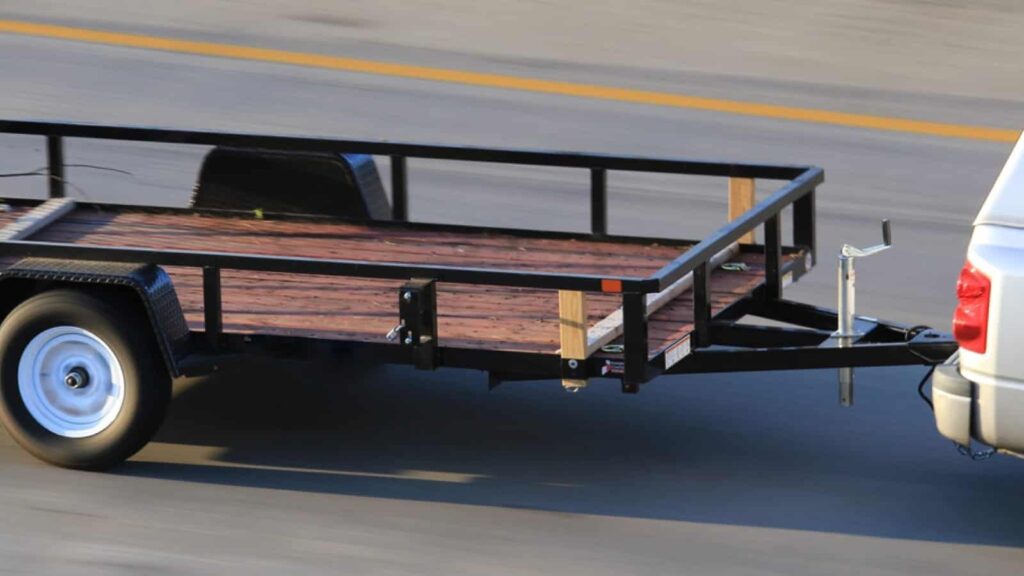
Towing with a trailer hitch involves attaching a trailer to your vehicle, usually with a receiver hitch and connecting safety chains, lights, and brakes. Whether you’re towing a small utility trailer, a boat, or a fifth-wheel camper, the main factors that determine licensing requirements are:
- The total weight of the trailer and cargo
- The weight of the vehicle doing the towing
- State or country-specific laws
- Whether the towing is for personal or commercial use
What Kind of License Do You Need?
1. Standard Driver’s License (Class D or Class C in most states)
If you’re towing a small to mid-size trailer for personal use, your regular driver’s license is almost always sufficient. In most U.S. states, a Class D or Class C license allows you to:
- Tow trailers up to 10,000 lbs Gross Vehicle Weight Rating (GVWR)
- Tow recreational trailers like campers, boats, or small utility trailers
- Drive most pickup trucks, SUVs, or cars equipped with a trailer hitch
So if you’re towing a U-Haul trailer, a couple of dirt bikes, or a small camper for the weekend, you’re good to go with your everyday license.
2. Commercial Driver’s License (CDL)
Source: omegalaw.com
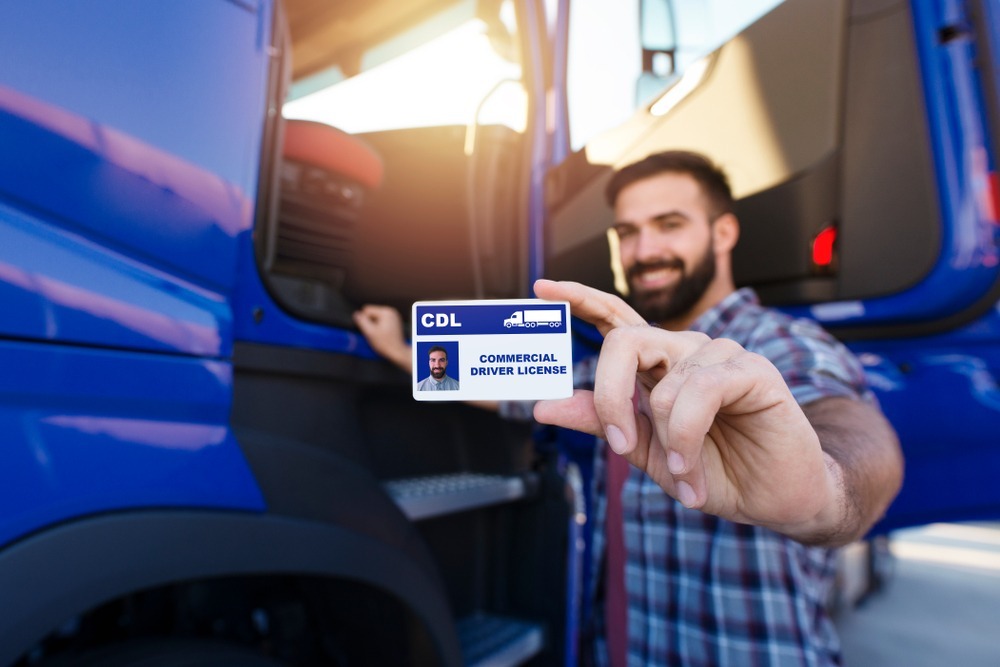
A CDL is required when you’re towing larger trailers or doing so as part of a business. The federal guidelines (with some variations by state) require a CDL if:
- The combined weight of the vehicle and trailer exceeds 26,001 lbs
- The trailer alone has a GVWR over 10,000 lbs
- You’re towing hazardous materials or working for a commercial entity
There are different classes of CDLs:
- Class A CDL: Required to operate a combination of vehicles with a GVWR over 26,001 lbs and the trailer alone is over 10,000 lbs.
- Class B CDL: For a single vehicle over 26,001 lbs towing a trailer under 10,000 lbs.
- Class C CDL: For vehicles that don’t fit A or B but are used to transport 16+ passengers or hazardous materials.
Example: If you’re towing a large car hauler or construction equipment for a landscaping business, you probably need a Class A CDL.
3. Non-Commercial Special Licenses
Some states offer non-commercial Class A or B licenses specifically for heavy-duty personal towing. This is common in states like California, Texas, and New York, where people might tow large RVs or horse trailers for personal use.
In California, for example:
- You need a Non-Commercial Class A license to tow travel trailers over 10,000 lbs or fifth-wheel trailers over 15,000 lbs.
- You need a Recreational Vehicle Endorsement (a special written test) for large motorhomes or trailers.
State-by-State Variations
Licensing requirements can differ significantly between states. For example:
- Texas: Allows standard license holders to tow up to 26,000 lbs combined weight. For heavier loads, you’ll need a Class A or B non-commercial license.
- California: Requires a special license or endorsement for large RVs and trailers.
- Florida, Georgia, and many Midwest states: Tend to follow the federal weight thresholds for when a CDL is required.
If you’re planning a long-distance trip or towing across state lines, it’s smart to check the DMV or Department of Transportation website in each state you’ll pass through.
Towing Outside the U.S.
Source: ford.com
If you’re traveling internationally, licensing requirements may differ drastically:
- Canada: Generally mirrors U.S. standards, but some provinces (like British Columbia) have more stringent rules.
- Europe: Many countries require special permits or endorsements even for small trailers.
- Australia: Drivers may need a specific endorsement depending on trailer size and weight.
Always check local regulations if you’re towing abroad.
Additional Towing Requirements (Besides Licensing)
Even if you don’t need a special license, towing safely and legally involves more than just the paperwork. Make sure you’re also complying with:
1. Trailer Brakes
- Most states require brakes on trailers over 3,000 lbs.
- Your vehicle may need a brake controller to operate trailer brakes.
2. Lights and Wiring
- Trailers must be equipped with working brake lights, turn signals, and tail lights, all wired to your towing vehicle.
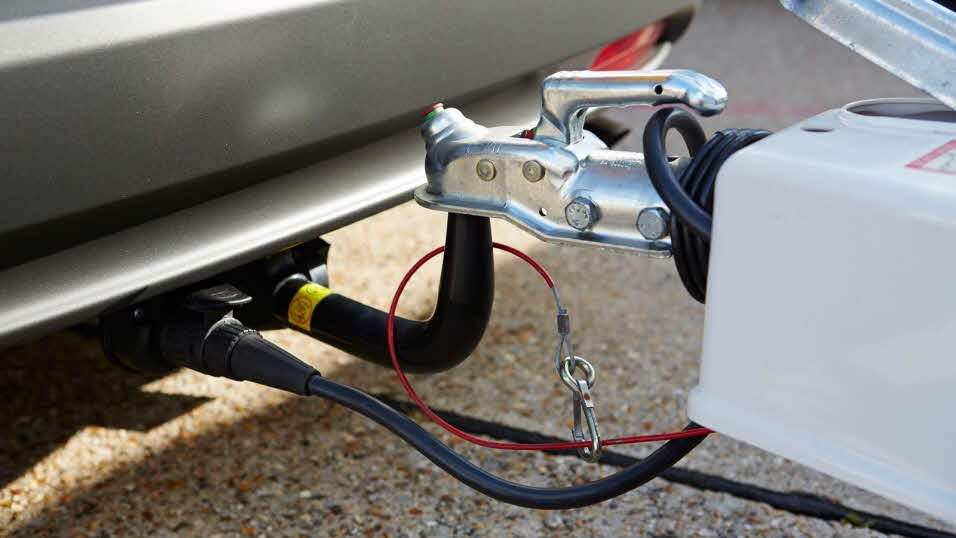
3. Safety Chains and Breakaway Cables
Source: caravanclub.co.uk
- These are legally required in most areas to prevent accidents if the trailer becomes disconnected.
4. Weight Distribution and Load Limits
- Don’t exceed your vehicle’s towing capacity.
- Distribute weight evenly in the trailer to avoid sway or instability.
When You Might Want Extra Training or Certification
Even if the law doesn’t require a special license, towing isn’t always easy—especially with larger trailers. If you’re new to towing, consider:
- Taking a towing safety course from AAA, U-Haul, or RV groups
- Practicing in an open space before hitting the road
- Learning how to back up, brake, and manage sway safely
Conclusion: Stay Legal and Tow Confidently
Source: robsightford.com
For most everyday drivers, a regular license is all you need to tow with a trailer hitch. As long as your vehicle and trailer are within the legal weight limits and you’re towing for personal use, you’re good to go.
However, always double-check your state’s laws, especially if you’re towing something large, traveling across state lines, or using your vehicle for commercial purposes. Safety should always come first—so even if a special license isn’t required, making sure you’re prepared and educated is the best way to protect yourself and others on the road.